What Is Outdoor Experiential Education?
Outdoor experiential education is learning through real experience: doing something that matters, encountering authentic challenges, reflecting on what happened, and carrying that learning forward.
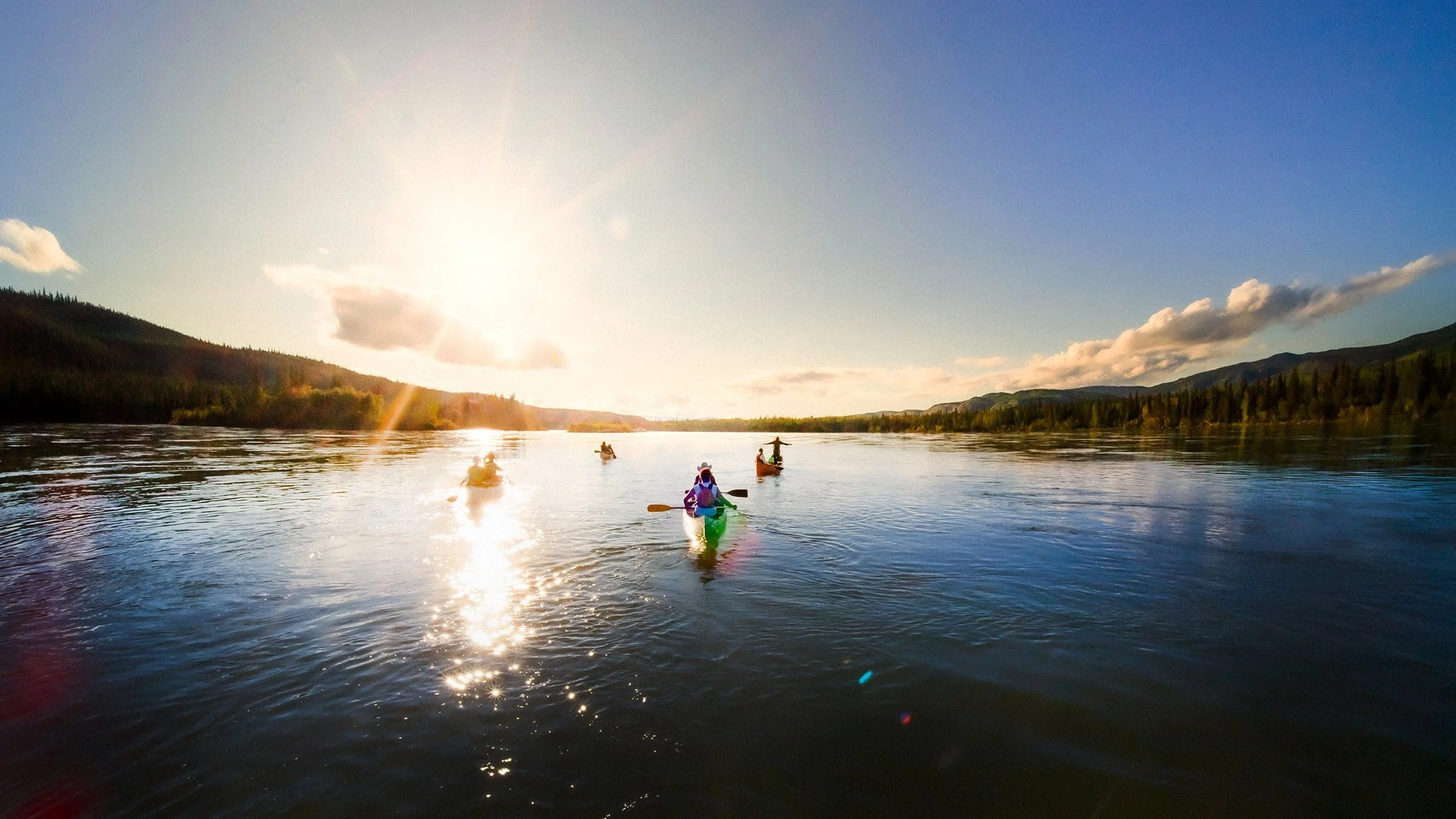
Instead of learning only about teamwork, leadership, ecosystems, risk, resilience or community from a desk, learners are placed in environments where those ideas become real. They might navigate a canoe through changing weather. Build a shelter with a team. Investigate an intertidal ecosystem. Cook dinner for ten people. Work through a disagreement on an expedition. Miss a bus and figure out what to do next. Sit quietly in a forest and notice what they normally overlook.
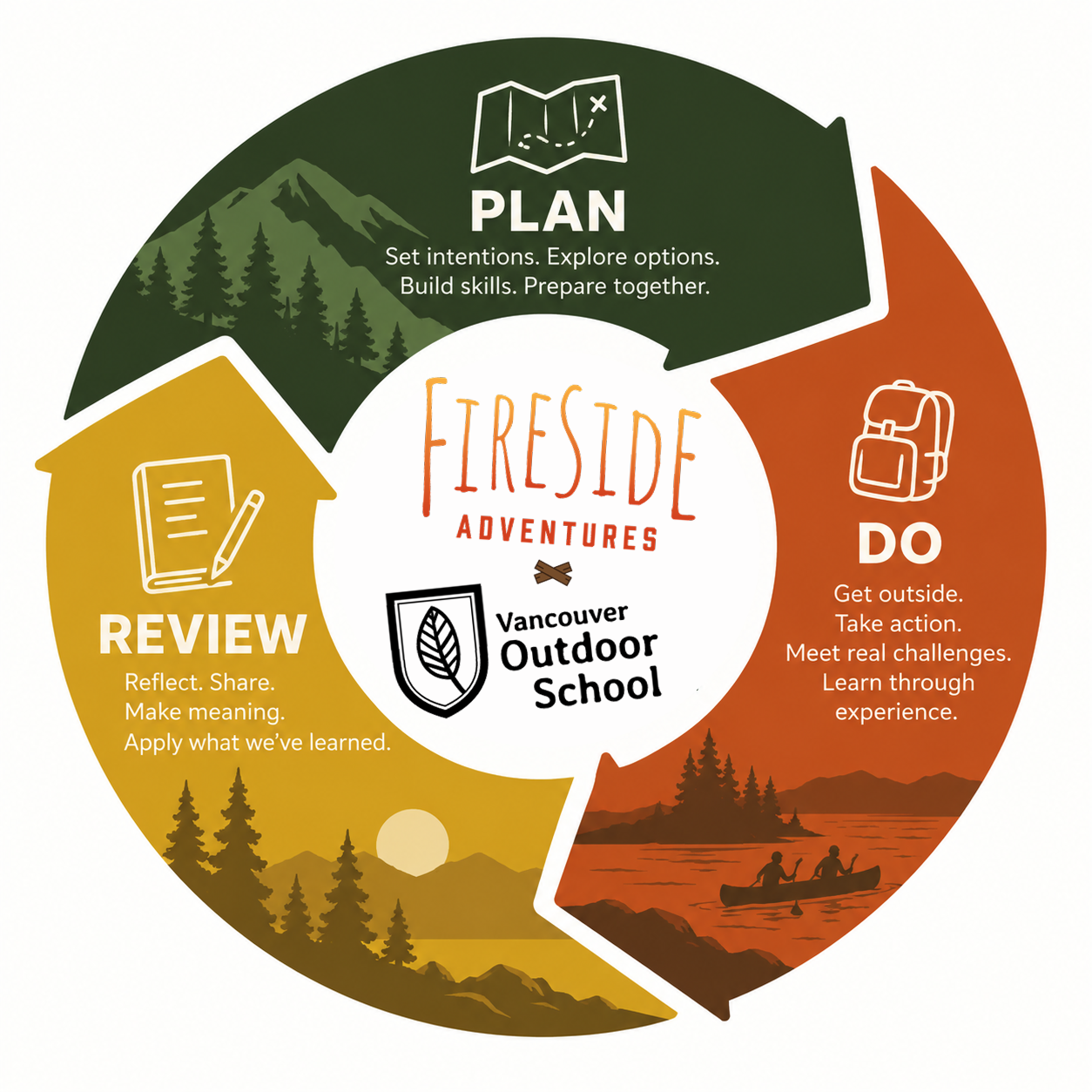
The Experiential Cycle: Plan, Do, Review
The Association for Experiential Education defines experiential education as a philosophy in which educators intentionally engage learners in direct experience and focused reflection to develop knowledge, skills, values and their capacity to contribute to their communities.
Put more simply: Plan → Do → Review
PLAN: Before the experience, think about what you’re trying to accomplish and how you’ll approach it.
DO: Put the plan into action through a real experience.
REVIEW: Afterward, reflect on what happened and turn the experience into learning.
PLAN AGAIN… it’s a cycle, not a three-step checklist. Each experience informs the next one.
Kurt Hahn and the History of Modern Outdoor Experiential Education
One of the most influential figures in modern outdoor and adventure education was German educator Kurt Hahn (1886–1974). Hahn believed education should develop considerably more than academic ability. He was interested in developing the whole person: curiosity, determination, physical capability, compassion, responsibility, courage and service to others.
In 1920, Hahn helped establish Schule Schloss Salem in Germany. After speaking out against the Nazi regime, he left Germany and continued his educational work in Britain, where he founded Gordonstoun School in Scotland. His educational philosophy increasingly incorporated physical challenge, expeditions, service, responsibility and periods of reflection alongside conventional academics. Hahn summarized his educational ambition in a line that continues to resonate with experiential educators:
“There is more in us than we know.”
The role of education, in this tradition, was partly to create experiences through which young people could discover that for themselves.
1941: The Birth of Outward Bound
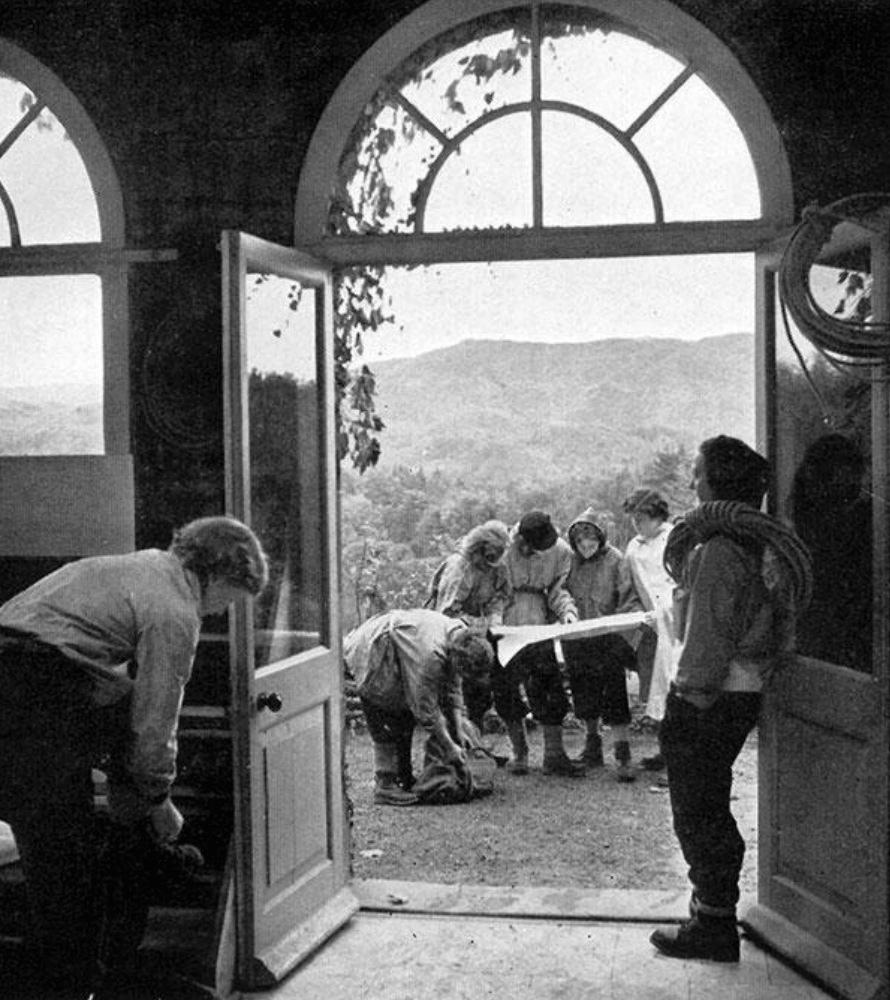
During the Second World War, Hahn helped establish the first Outward Bound school at Aberdovey, Wales, in 1941. The original program emerged from a problem facing young merchant seamen. Technical knowledge alone did not necessarily prepare people for the physical and psychological realities of adversity at sea. Hahn's response was experiential. Young people needed opportunities to encounter difficulty, develop capability, depend upon one another and discover their own resilience before those qualities were demanded in a crisis.
From Outward Bound to a Global Educational Legacy
Hahn's influence extended far beyond one organization. His ideas helped inspire or shape several educational movements that continue around the world.
Outward Bound developed into an international network of outdoor and adventure education organizations.
The Duke of Edinburgh's Award, launched in 1956, grew from discussions involving Hahn and his former pupil Prince Philip. It created a framework through which young people could pursue skills, physical activity, service and adventurous journeys.
United World Colleges, whose first college opened in 1962, carried forward Hahn's belief that education could deliberately bring young people together across cultural and national divisions and cultivate service, understanding and responsibility.
Carrying the Torch: Fireside Adventures and Vancouver Outdoor School
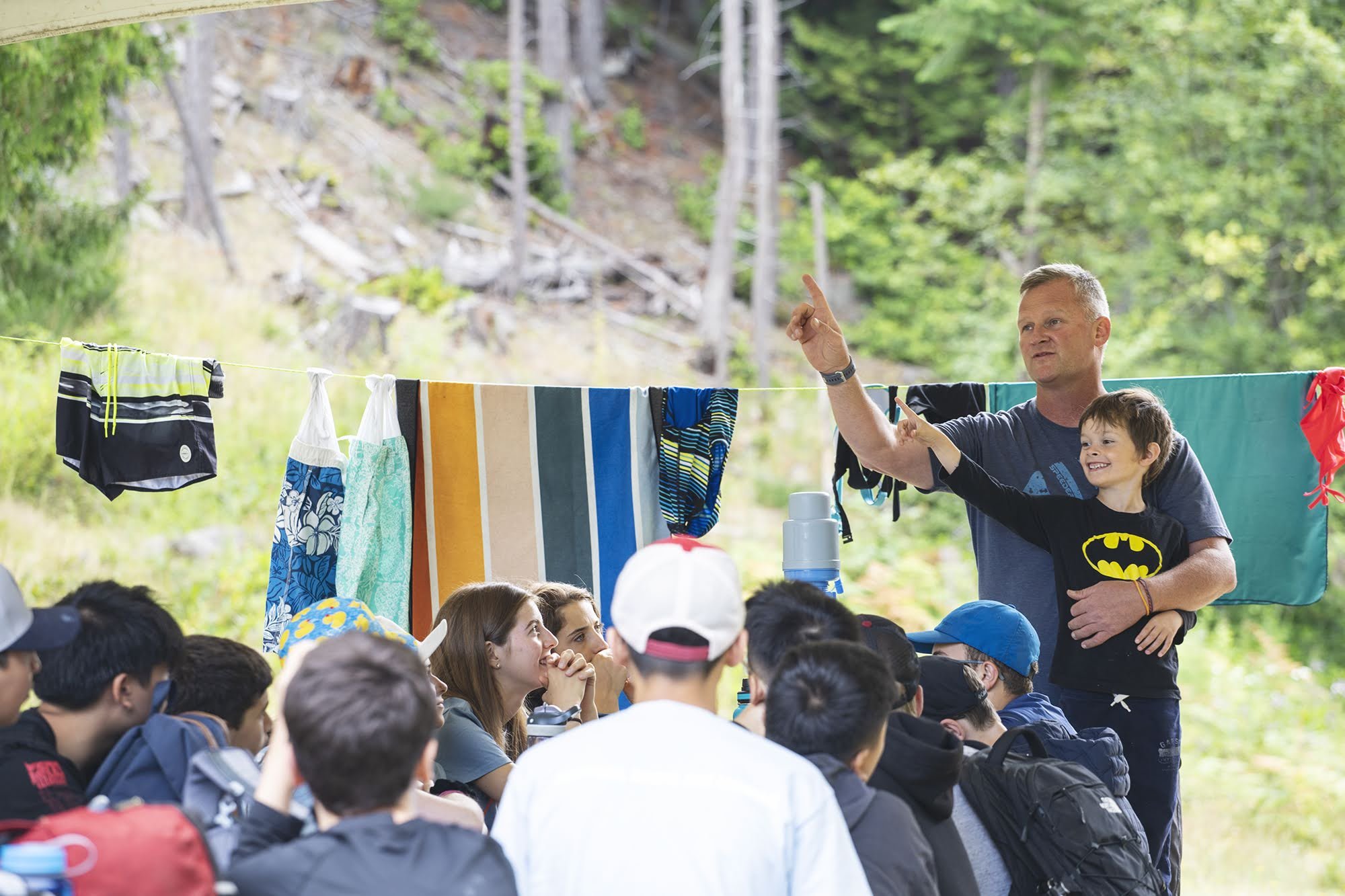
Fireside Adventures was founded by Jeff Willis (“Willy”) in 2004, but its roots stretch farther back. Since 1991, Jeff has developed and led camps, expeditions and outdoor programs in Canada, Japan, Germany, Ecuador and the Arctic. His approach was shaped by two important strands of experience. The first was his own experience as an Outward Bound camper and his exposure to an educational tradition in which challenge, expedition, responsibility and service could become powerful teachers. The second came from his professional work as a child and youth worker in inner-city schools. Together, those experiences raised an important question:
What would happen if the transformational potential of outdoor education was deliberately combined with youth work, environmental education and social justice?
Becoming a father added another dimension. Jeff became increasingly aware that his own children were receiving surprisingly little meaningful climate-change education through either school or traditional summer camp. So Jeff combined his love of outdoor education with formal training and years of experience in youth and family work, outdoor experiential and environmental education, and social justice.
From Fireside Adventures to Vancouver Outdoor School
As Fireside grew, so did the community around it. A passionate network of educators, families and young people began forming around the idea that outdoor experiential education could be more than something children experienced for a week each summer. It could become part of their education throughout the year. That idea ultimately contributed to the creation of Vancouver Outdoor School.
Fieldschool: Wonder, Wisdom, Wellness, Work
When the COVID-19 pandemic moved much of education online, families suddenly got a very clear look at both the possibilities—and the limitations—of learning through a screen. Families who knew Fireside Adventures began calling with a pretty straightforward request: Please get our kids outside—exploring, learning and socializing.
Fireside had already spent nearly two decades creating outdoor experiential programs, so the team started running weekday field trips. The expectation was that it might last a few months. Instead, Fieldschool was born. Not a School. Not a Replacement for School. It is a Community Outdoor Experiential Education service designed to add something different to a young person's education.
Between the Trees: Experiential Education, One Learner at a Time
Another branch of Vancouver Outdoor School grew from recognizing that not every young person is immediately ready to thrive in a group expedition or traditional educational environment. Between the Trees developed as a highly individualized mentorship model. One-to-one and small-group experiential education allows an educator to meet a learner where they are and deliberately build the skills needed for greater independence.
Field Studies: Taking Experiential Education Back Into Schools
At the same time, Vancouver Outdoor School expanded its Field Studies programs for schools. These range from single-day programs to multi-day camps and wilderness expeditions. Rather than treating outdoor education as an isolated recreational event, programs can be deliberately connected with school curriculum, leadership development, environmental learning, physical education, social-emotional learning and community-building. Students might spend one day investigating a local ecosystem.
Or several days developing foundational camping skills.
Or travel by canoe through a wilderness landscape where decisions about navigation, food, weather, teamwork and risk suddenly have real consequences.
For schools, this creates something difficult to reproduce inside the building: shared experiences that students and teachers can continue drawing upon long after everyone returns to the classroom.
From Kurt Hahn to the Next Generation
Outdoor experiential education has evolved enormously since Kurt Hahn and other educational pioneers began experimenting with these ideas more than a century ago.
Today's young people face challenges Hahn could not have imagined: climate change, ecological disruption, rapidly changing technology, unprecedented access to information and increasingly digital childhoods. Carrying the torch does not mean recreating education from 1941. It means carrying forward an enduring principle:
Education should prepare young people to participate meaningfully in the real world.
For Fireside Adventures and Vancouver Outdoor School, that means creating places where young people can experience challenge and wonder, practise independence, understand the natural world, contribute to a community and discover their own capacity to act.
Because there is a profound difference between telling a young person they are capable—and giving them an experience that proves it.
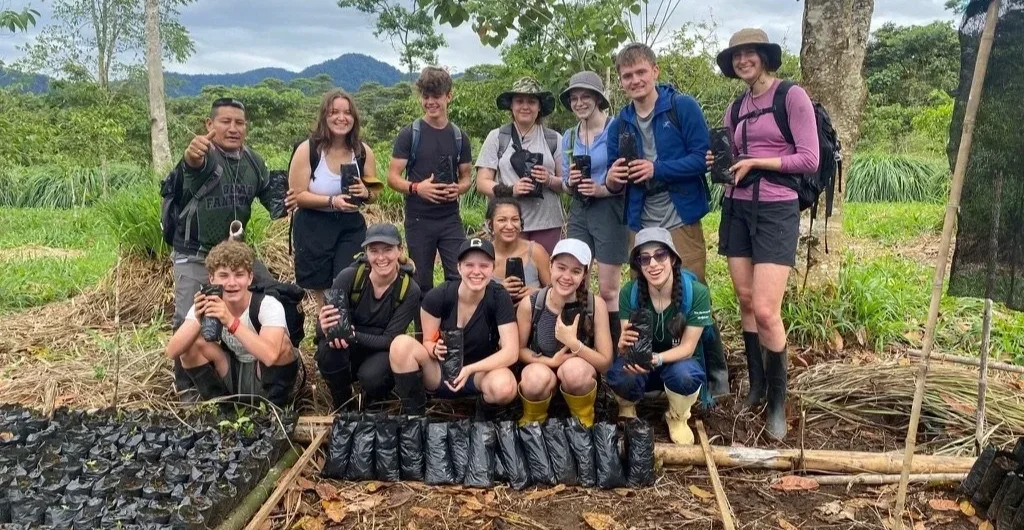
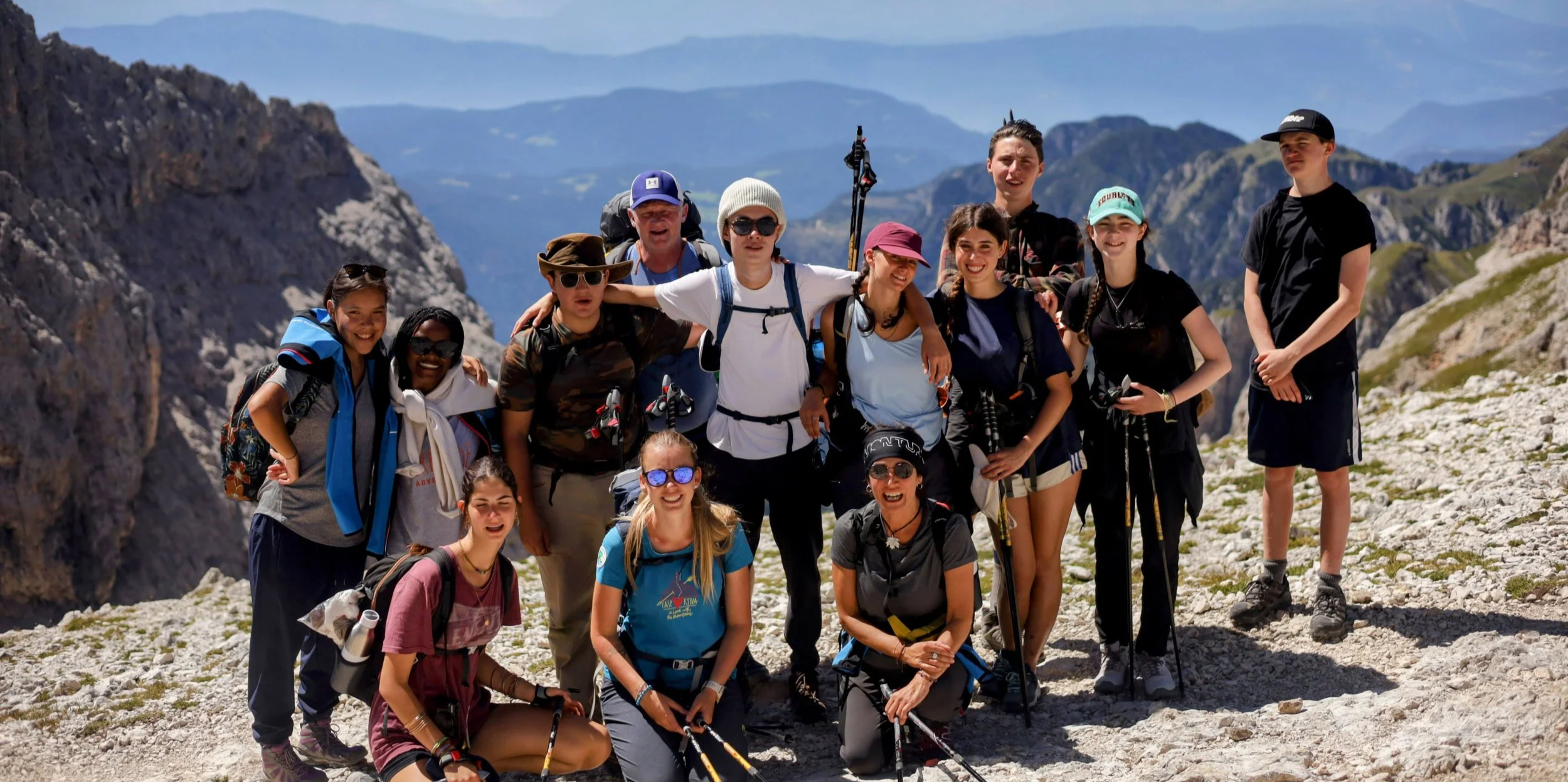
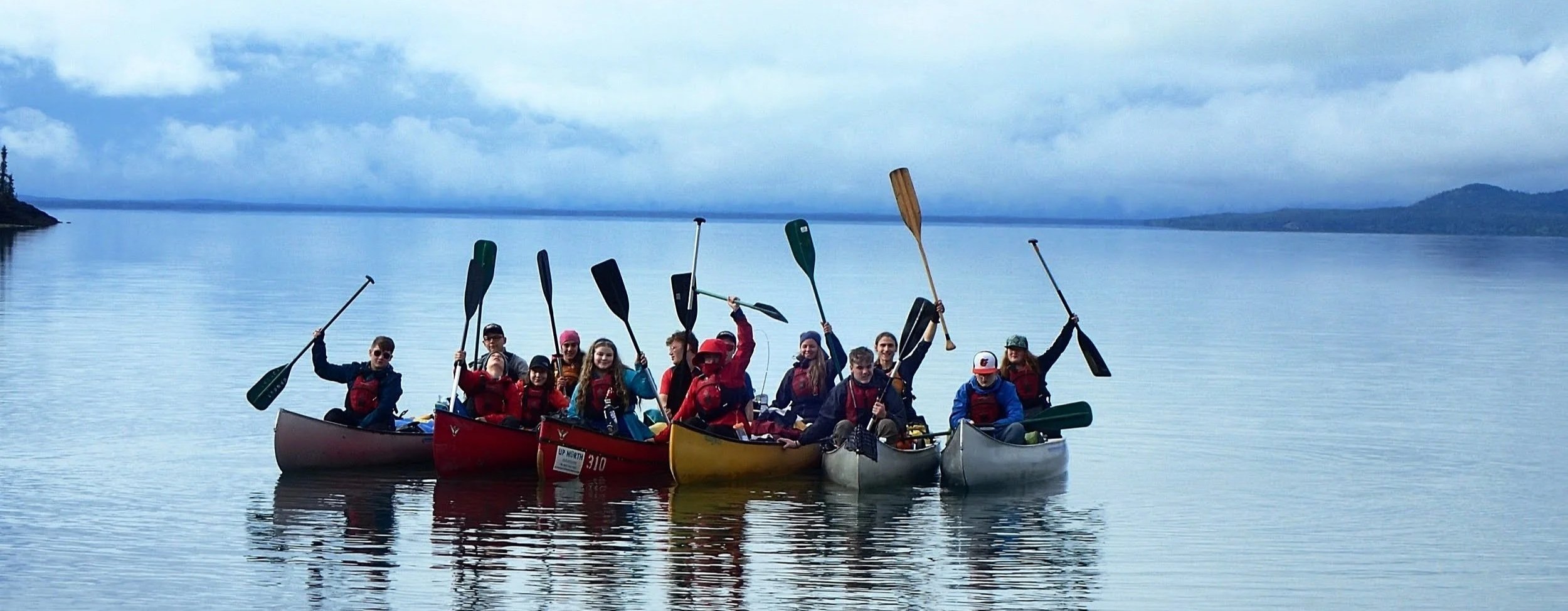
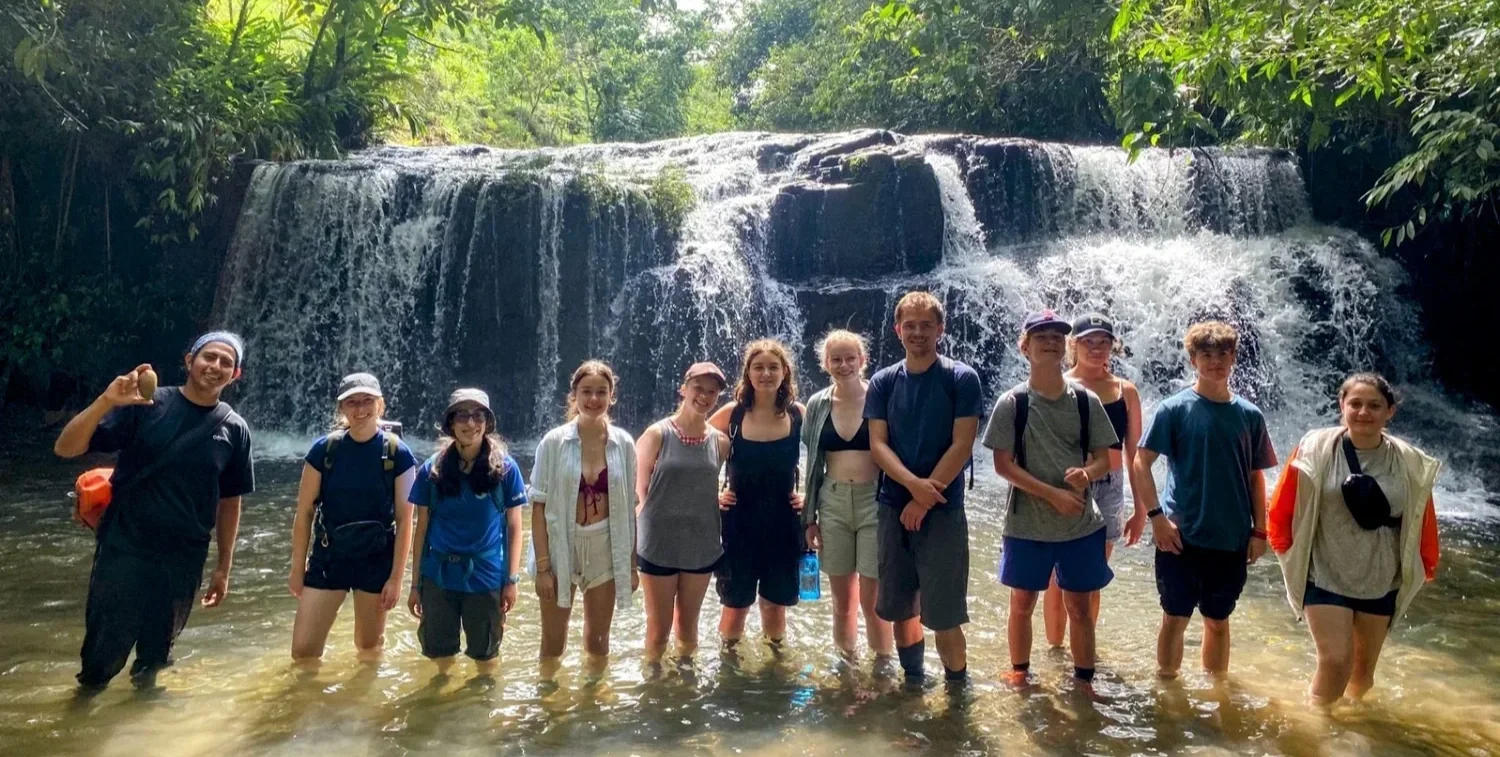
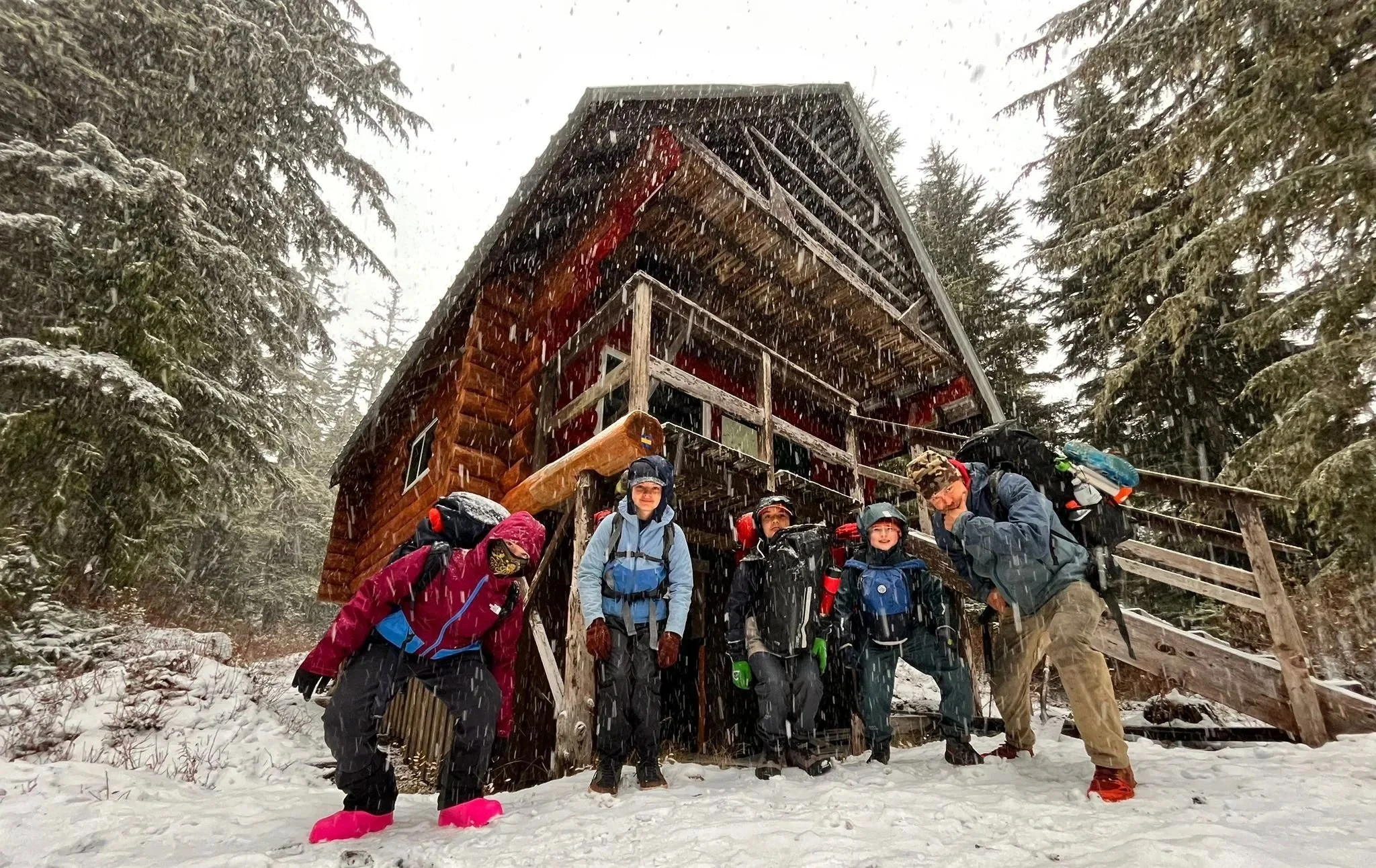
Explore Outdoor Experiential Education With Us
Fireside Adventures creates camps, expeditions and outdoor learning experiences designed around adventure, leadership, environmental education and meaningful challenge.
Vancouver Outdoor School brings experiential education into the school year through Fieldschool, individualized mentorship, Field Studies, outdoor programs and educational partnerships.
Whether you're a family looking for something different, a school looking to bring learning beyond the classroom, or a young person ready for a bigger challenge, there is a place to begin.