Home > Youth Leadership Programs > Yukon Explorer: Paddle Edition 10 & 21 day
Yukon Explorer Youth Leadership Paddling Course
A Yukon River adventure where young people become confident and competent outdoor leaders
Are you ready for an adventure that is larger than life? Yukon Explorer is the gateway for Canadian and international youth to the amazing world of outdoor adventure. This is a supportive, co-ed program that develops canoe and wilderness expedition skills training and outdoor leadership for youth aged 13 - 18 years. It’s an opportunity that shapes a person’s character and challenges them to become more grounded by unplugging, reconnecting, and learning to enjoy the simple things in life.
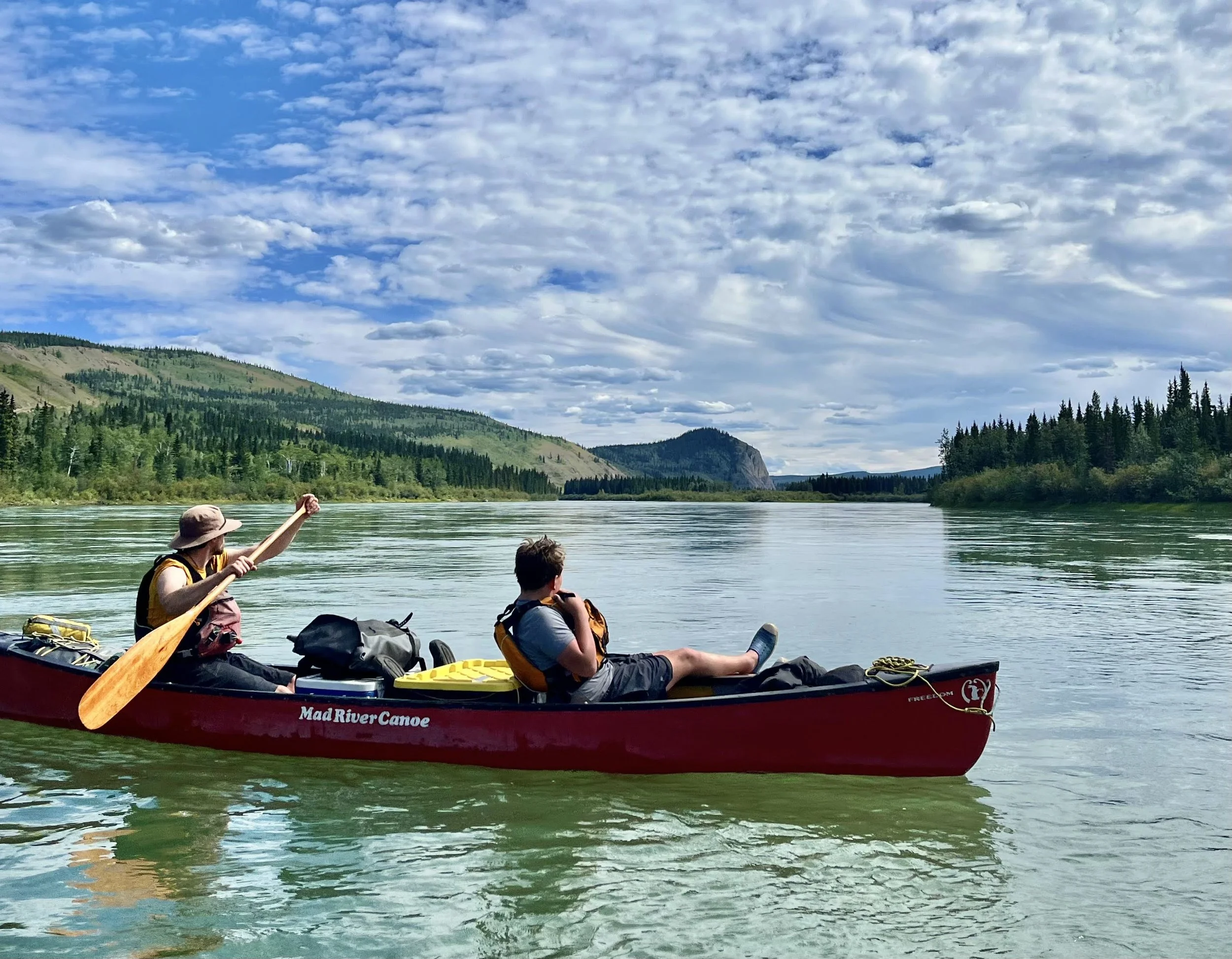
Yukon is a place of unparalleled beauty; the Yukon welcomes youth from all walks of life to share in its grand rivers, endless wilderness, incredible people, and timeless stories. With Fireside Adventures, everyone has their own place in this unique outdoor leadership journey in Canada’s True North.


Big adventure?
Let’s talk.
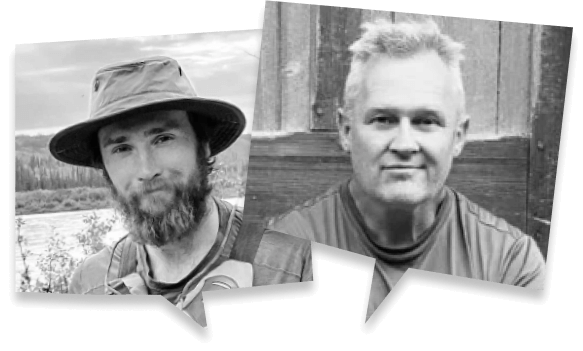
Willy & Barnsy are here to help.
Book a 20-minute Zoom or phone call.
AGES
13–18 (co-ed)
DATES: Classic 21-day
Route: Teslin–Dawson City
Jul 01 – 21, 2027
Jul 25 – Aug 14, 2027
DATES Introductory 10-day
Route: Base Camp (Lake Laberge) to Carmacks
Jul 01 – 10, 2027
Jul 12 – 21, 2027
July 25 – Aug 03, 2027
Aug 05 – 14, 2027
DATES: Double Header 26-day
BC coast + full Yukon Classic
Jun 26 – Jul 21, 2027
Ages 14–17; ask about younger returning campers.
LOCATIONS
Whitehorse • Yukon River • Carmacks • Dawson City
STANDARD PRICES
Classic 21-day: $5,899 + GST (CAD)
Introductory 10-day: $2,999 + GST (CAD)
Double Header 26-day: $6,499 + GST (CAD)
Early Bird Pricing: $250.00 off the 21-day course, $150 off the 10-day course, and $300 off the Double Header if you book before November 15, 2026.
*Includes non-refundable $500 deposit (all trips).
Includes: Return flight (Vancouver–Whitehorse), all ground transportation, meals, canoes, paddles, PFDs, day in Whitehorse, group camping gear (incl. tents), pre-trip check-in
More info: office@firesideadventures.ca
The Yukon Explorer Series
Introductory Course: Whitehorse to Carmacks 10-day | Best choice for… novice paddlers on their first Yukon Adventure or those who just don’t have 21 free days this summer.
Map Legend
Whitehorse, the Wilderness City, where our journey begins (including the airport).
Homeplace (base camp 40 minutes outside of Whitehorse)
Hootalinqua, the confluence of the Teslin and Yukon Rivers. A place of incredible history. Before contact, this was a central meeting place for the Tlingit, Southern Tutchone and Northern Tutchone nations where they would trade, trap and fish together. During the Gold Rush, it became an important shipping hub, a history made tangible by a shipwrecked barge that still sits on an island next to the ruins of an old trading post.
Carmacks, our Journey’s End. From here, the 21-day trip continues to Dawson City.
Route Description
This 10-day trip takes youth past the famous confluence of the Yukon River, starting just before Lake Laberge and running all the way to Carmacks. This is a great beginner trip with ample time to develop skill sets, visit some amazing sites, opportunities to hike, and so much more.
Classic Course: Teslin & Yukon Rivers (21-day) | Best choice for… EVERYONE. If you have 21 days, jump in and run the whole thing. Here we come, Dawson City!
Map Legend
Whitehorse, The Wilderness City, where our journey begins (including the airport).
Carmacks, where we will launch our canoes after a 2hr shuttle from Whitehorse.
Fort Selkirk, also called Hucha Hudan. A living cultural heritage site and a special place for all who come here. To the Selkirk First Nation people, it is part of their homeland. Hucha Hudan has been continuously inhabited by the Selkirk Nation for 10,000 years - even through a volcanic eruption that occurred 7000 years ago!
The mighty confluence of the Yukon River and White River, which flows from its headwaters in majestic Kluane National Park .
Dawson City, home of the Klondike Gold Rush… known long ago as “the Paris of the North”. It stands now very much as it did in 1898, remaining a major cultural and historical hub.
Route description
This is Fireside’s “classic” adventure, one that we’ve been sharing with youth for over 15 years! This expedition follows the wake of the miners, prospectors, and trappers of the Klondike Gold Rush as they travelled between the two hubs of Whitehorse and Dawson City. This is a full-on river expedition immersion, where youth will discover the river in a way that leaves them with a sense of fulfillment and achievement. Although longer, this trip is completely doable for beginners who are looking to leap into adventure headfirst!
BC + Yukon Double Header (26-day) | For canoe heads.
Loved BC Explorer, Yukon Explorer or a similar camp? Or just love canoeing and nature? This beginner-friendly combination joins five days on the BC coast with the full 21-day Yukon Classic. Full-on paddling, outdoor skills and team building, with plenty of time to settle into life outdoors.
June 26–July 21, 2027 | Early bird $6,199 + GST; standard $6,499 + GST per youth. Early bird deadline: November 15, 2026.
Register for the Double Header or ask us about connecting arrangements.
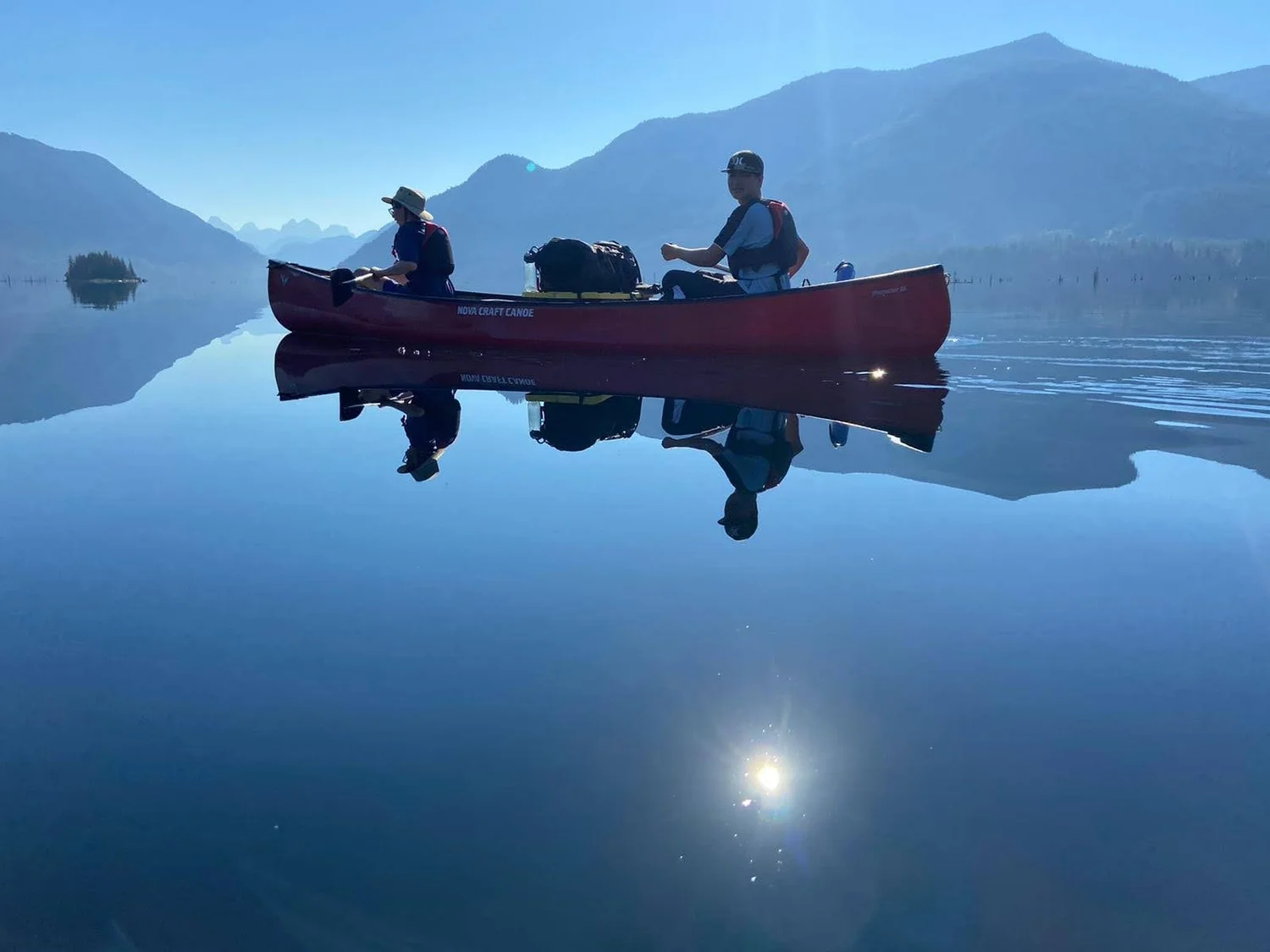
What’s so special about Yukon Explorer?
Participants learn the real outdoor skills needed to take an active role in a wilderness journey, while connecting those experiences to bigger conversations around climate change, future pathways and careers, leadership, community, relationships and their own personal growth.
Learning to communicate with your canoe partner isn’t that different from learning to work with someone at school. Navigating a river means looking ahead, reading what is happening around you and adjusting when your original plan no longer works. Living with a small group teaches patience, compromise and how to deal with conflict. Taking responsibility for camp, meals and equipment builds independence. Working through a difficult day develops perseverance and the understanding that you can be uncomfortable, frustrated or uncertain and still keep moving forward.
Over the course of the expedition, instruction gradually turns into responsibility. At first, our leaders may be teaching participants how to paddle a loaded canoe, read the river, navigate, set up camp, cook for a group or respond when something doesn’t go according to plan. As the days progress, participants are expected to practise those skills, make decisions and take on more responsibility for themselves and for the people around them.
Participants bring these skills home. They become tools for navigating school, friendships, peer relationships, family, community, employment and whatever comes next. The river simply gives us a very real place to practise them.
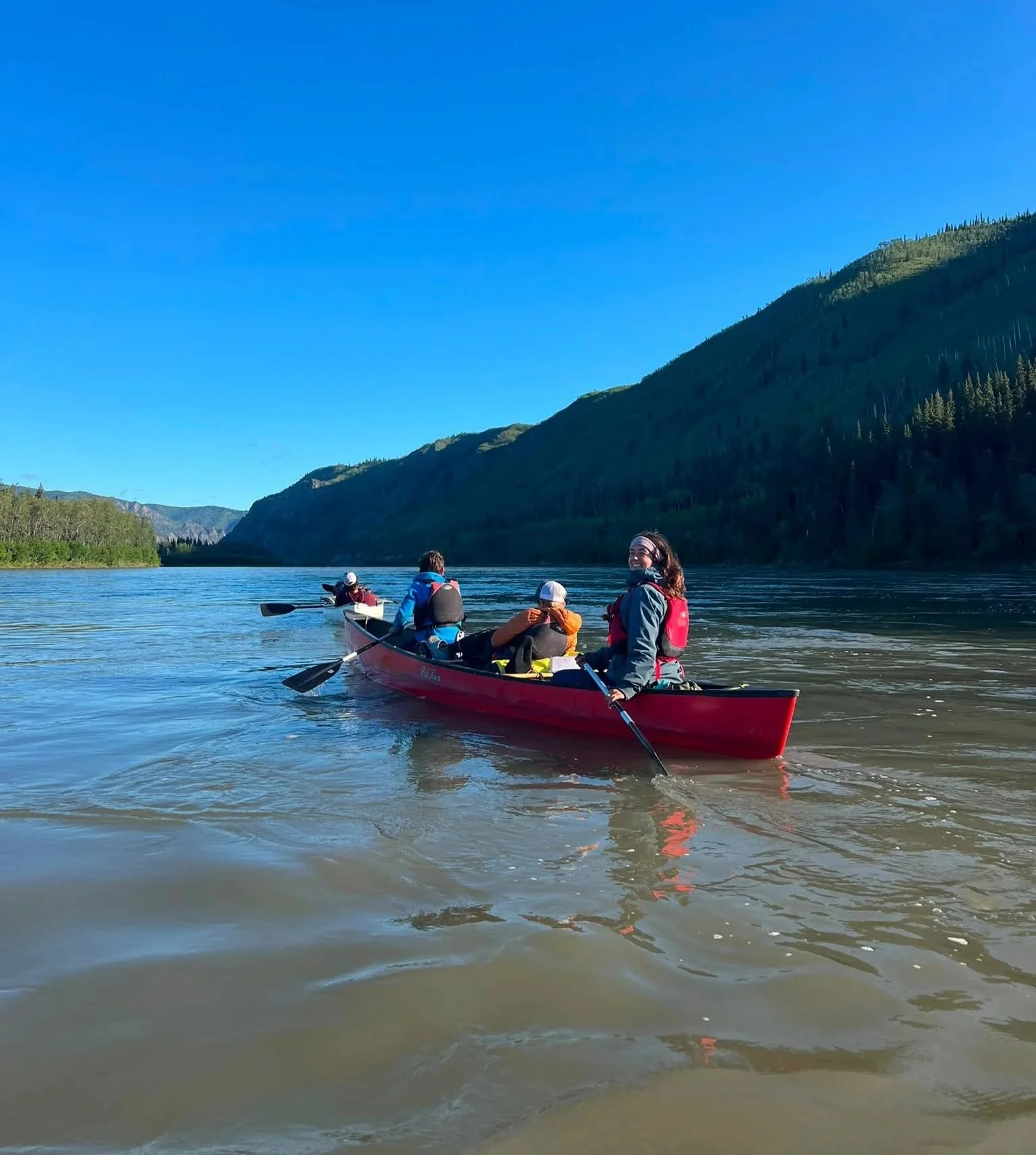
The real skills
1. Canoe & Paddle Skills
Participants work through skills connected to the Recreational Canoeing Association of British Columbia (RCABC), learning the parts of the canoe and paddle, proper boat setup and a range of paddle strokes including forward, reverse, draw, pry, sweep, J-stroke and bracing. More importantly, they learn how those strokes actually help move and control a loaded canoe.
2. Water Safety & Canoe Rescue
Everyone learns how to wear and properly fit a PFD, what equipment needs to be carried on the water and what to do when something goes wrong. Participants practise capsizes, self-rescue and assisted canoe rescues, while learning how cold water, weather, wind and current change the decisions we make.
3. Reading & Navigating a River
This is a big one. Participants begin learning how to actually read a river, identifying currents, bends, channels, eddies, gravel bars, islands, sweepers, strainers, and other hazards. They learn to look downstream, anticipate what is coming and choose the safest and most efficient route instead of simply following the canoe ahead.
4. Maps, Compass, & Expedition Navigation
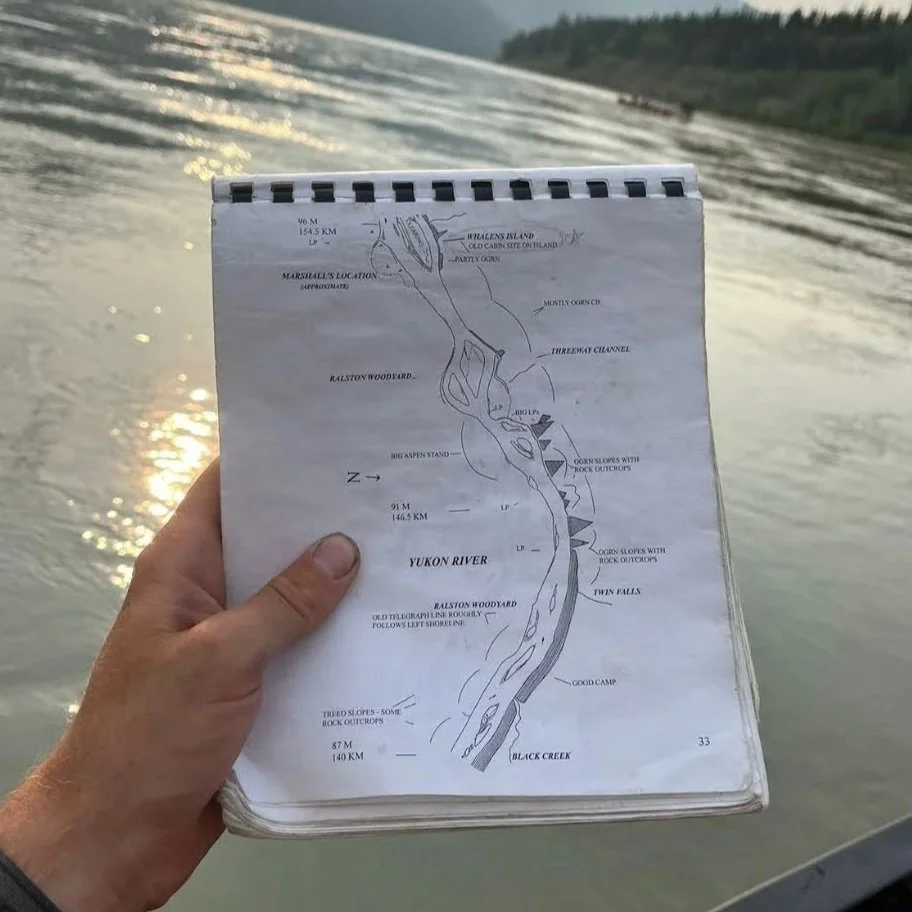
Participants learn basic map reading, compass use, orientation, estimating distance and identifying landmarks. They also begin connecting what they see on a map with what is actually happening around them. As the trip progresses, participants can take turns helping determine where the group is, where we are going and what lies ahead. Use a beautiful hand-drawn map that details everything from log jams to old forest fire burns. There’s no better way to learn how to read a map and landscape.
5. Knots & Rope Skills
Participants learn at least five useful knots and, more importantly, when to use them. Knots are part of everyday expedition life. They are used for securing boats, setting tarps, building shelters, hanging equipment, creating clotheslines and solving the hundred little problems that come with living outdoors.
6. Shelter, Campcraft, & Living Outside
A good wilderness camp doesn’t happen by accident. Participants learn campsite selection, tent and tarp setup, shelter building, sleeping systems, staying dry, camp organization, water management and how to make camp work when the weather isn’t cooperating.
7. Fire, Food, & Expedition Cooking
Participants learn safe fire building, stove use, food preparation, water treatment and how to cook for a group outdoors. They also learn that expedition cooking involves planning, portions, fuel, cleanup, food storage, and making sure everyone has enough energy for another day on the river.
8. Emergency Equipment & Wilderness Problem-Solving
Participants become familiar with the emergency equipment carried on an expedition, including first-aid supplies, throw bags, repair equipment, communication devices, and emergency shelters. The goal isn’t just knowing what is in the kit; participants will learn when and how it would be used and what they can do when Plan A falls apart.
9. Plants, Animals, & Understanding the Land
The Yukon becomes the classroom. Participants learn to identify common plants, trees, animal tracks and signs, while developing a better understanding of the ecosystems they are travelling through. Wildlife and bear safety, food storage and respectful travel are part of learning how to live responsibly in a place where we are the visitors. Watch wide-eyed as your canoe silently glides past an enormous moose, or perhaps lock eyes with a solitary eagle on the hunt. In the Yukon, there are more moose than people. A lot more!
10. Expedition Leadership & Judgement
This may be the most important outdoor skill of all. Participants learn how to make decisions when they are tired, wet, hungry or unsure. They practice communicating with a canoe partner, looking after equipment, supporting someone who is struggling, assessing risk and taking responsibility for the group. Over time, the adults step back where appropriate and participants take on more of the navigation, camp systems, decision-making and day-to-day leadership.
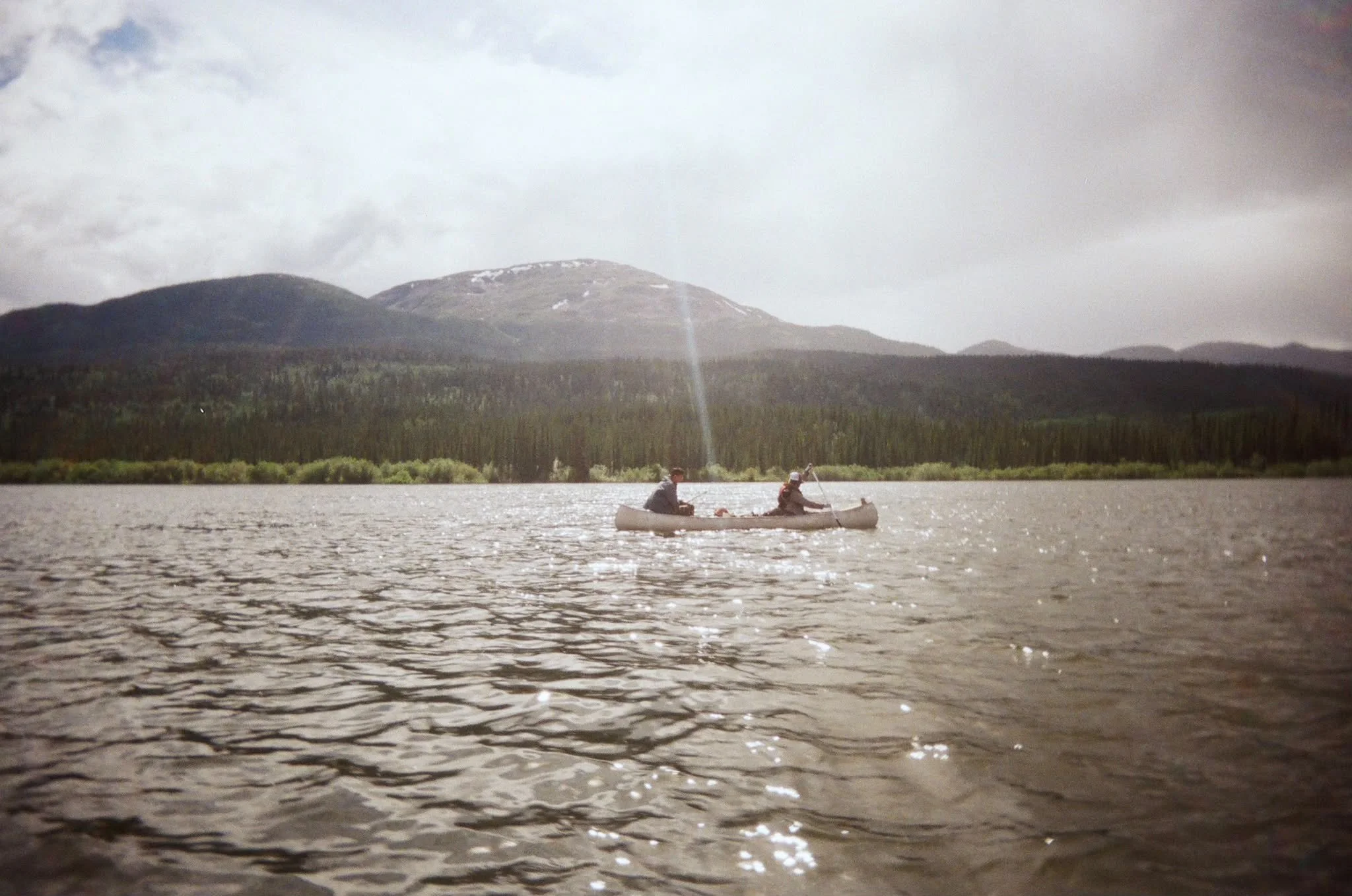
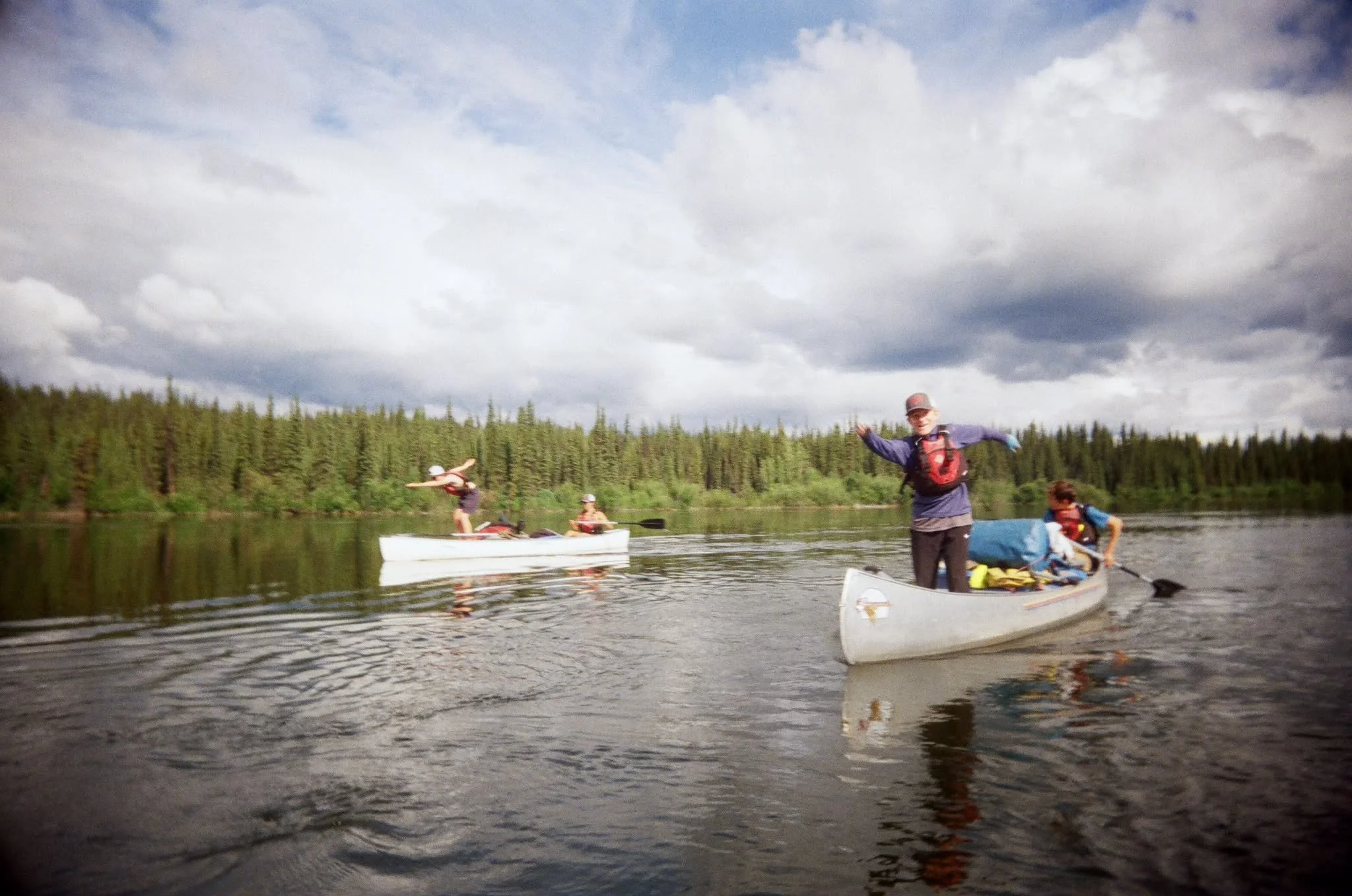
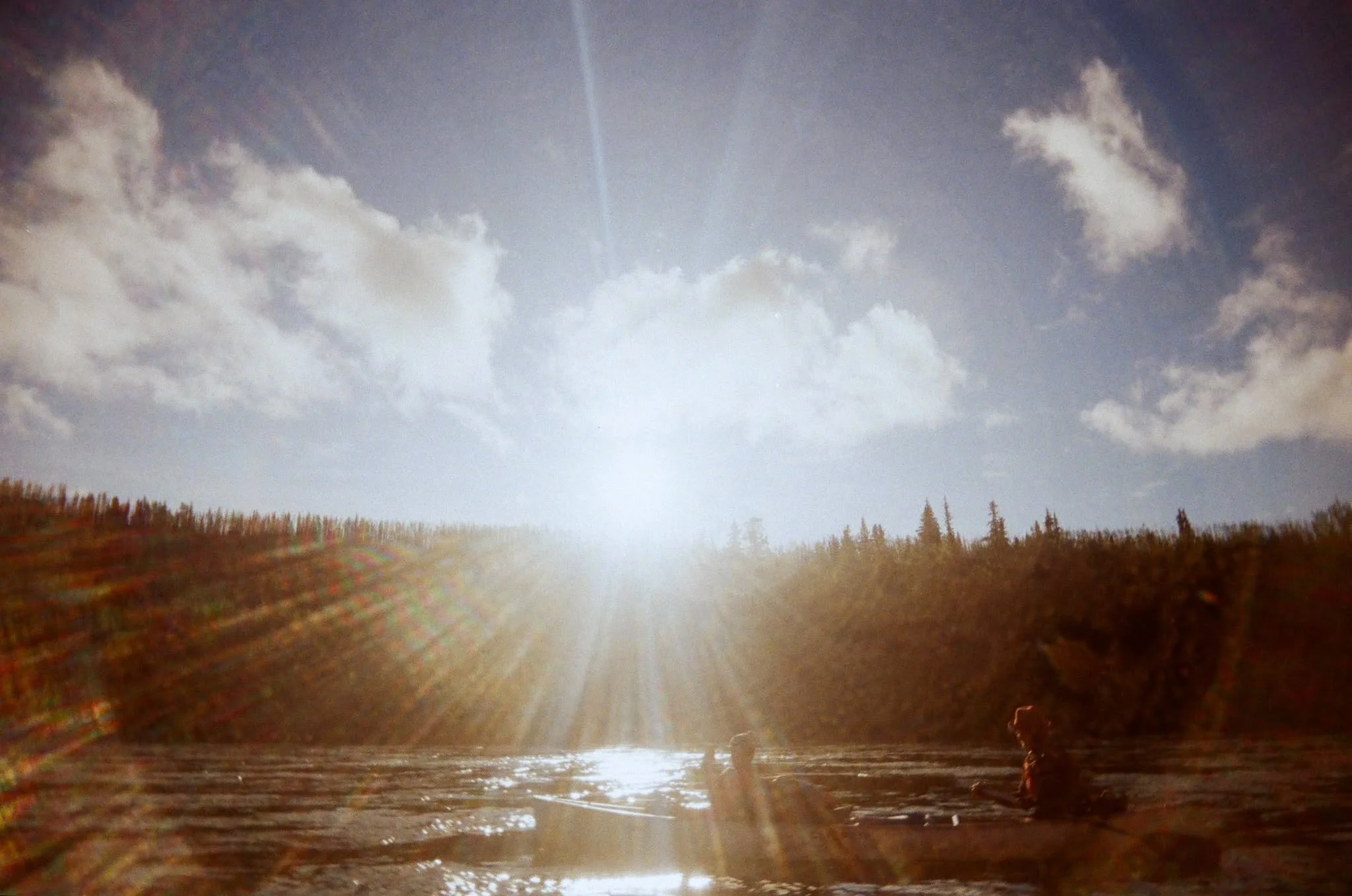
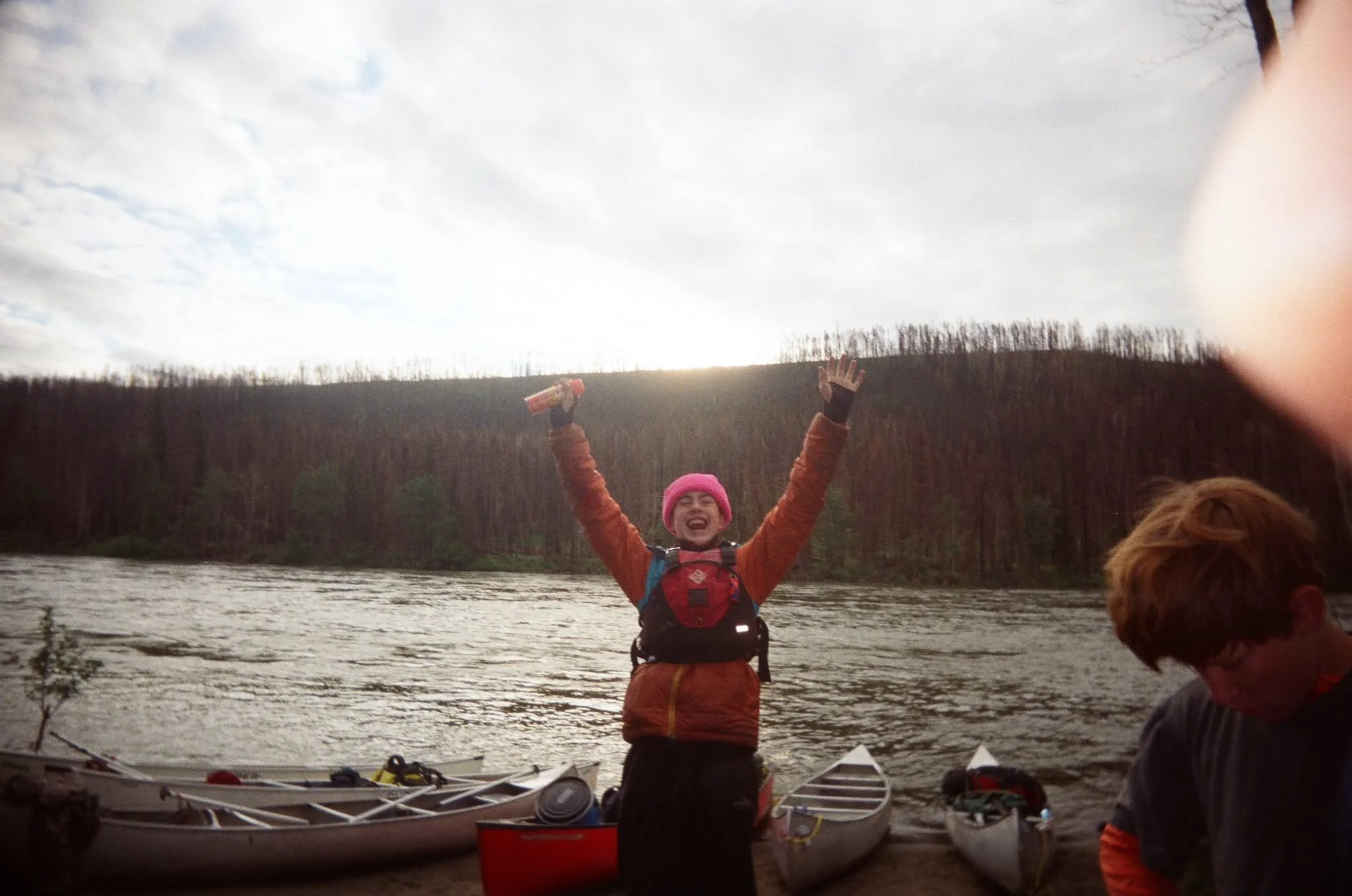
The photos below were captured by camper Tsz Chin Wong, Yukon River 2026
Digital Detox and Screen Offsets
This year in Canada, the average youth will spend over 3 months of combined time staring at a screen.
Yes, Fireside is a digital detox. All Fireside child and youth programs are mobile-phone and screen-free. But we want to take it further… this is your “screen offset”; a meaningful step toward protecting the wholesomeness in your kid’s hours, days, months, years and life. This year, we want to help kids spend at least one day outside & unplugged for every day they spend online.
Don’t worry… staff will take photos and videos to share with parents and youth. And your kid can bring an old-fashioned camera.
Put the phone away. Get the experience back.
“There is more in us than we know if we could be made to see it; perhaps, for the rest of our lives we will be unwilling to settle for less.”
— Kurt Hahn, creator of Outdoor Experiential Education
Earn the Duke of Edinburgh’s Award on this trip and add it to your resume and university application

The Duke of Edinburgh’s Award is the world’s largest youth leadership award. It helps young people turn the things they already do: sports, music, volunteering, outdoor adventures… into internationally recognized credentials that support school, university, and future employment.
The hardest part of earning the Award? Going on a trip (known as an “Adventurous Journey”. The good news? You can earn your Duke of Edinburgh’s Award on Yukon Explorer along with the other skills, physical activity and voluntary service components of the award.
The Fireside Approach: Challenge. Strive. Learn.
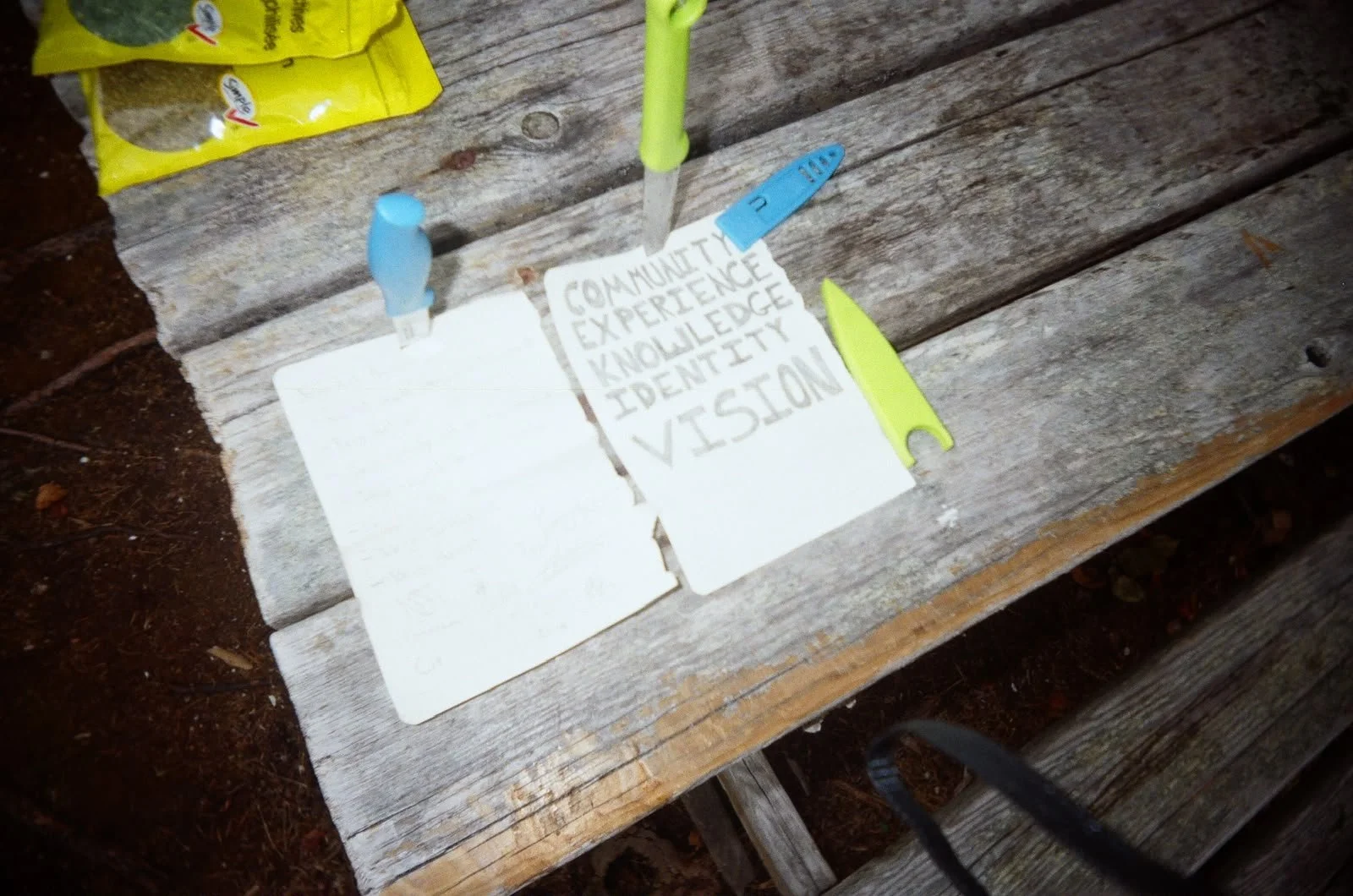
Fireside programs are built around experience, challenge, service and reflection... helping young people expand their comfort zones, discover what they are capable of and carry that learning back into their schools, relationships and communities. Inspired in part by educator Kurt Hahn, we intentionally create opportunities for curiosity, initiative, physical engagement, self-discipline, compassion and meaningful responsibility... qualities young people need opportunities to practise, not simply be told about.
Our youth and young-adult programs are phone and technology-free. For some, that feels like a digital detox; for others, it is a chance to reclaim a piece of childhood and adolescence... to be fully present, build real friendships and experience adventure without a screen between themselves and the moment. This practice comes from more than 20 years of working with young people and hearing, again and again, how valuable it is to have a place where everyone disconnects together.

Wherever we travel, we are grateful visitors... our hosts are “the spectrum of experts”. We strive to work alongside local and Indigenous guides, knowledge keepers, storytellers, educators, families and service providers, recognizing that knowledge comes from many people and that those who live within a place carry perspectives, histories and relationships to the land and community that are not ours to speak for.
We welcome participants from different social and economic backgrounds, cultures, identities, beliefs and perspectives. We ask everyone to arrive with curiosity, respect and a willingness to listen, question assumptions and consider another point of view... because just because we say it, think it or have heard it before doesn’t necessarily make it right.
Our leaders don't tell participants what to think. Our responsibility is to connect experience with learning, provide credible context, ask good questions and create space for thoughtful conversation, disagreement and reflection. Across our programs, climate change, conservation, culture and our changing relationship with the natural world are explored at a depth appropriate to each journey.
Ultimately, Challenge. Strive. Learn. is about creating value-based experiences that matter beyond the trip... helping participants expand their comfort zones, better understand themselves and others, and return home with greater confidence, perspective and responsibility for the communities they are part of.
Stories from Yukon Explorer
Barnsy, Yukon Explorer 2022

Click image above for full size.
“One night at Carmacks, I was showing a few campers how to take long-exposure night photos - it was late August so the sky was dark. Then one of the campers started yelling for me to come quickly. I ran over - not sure what was the matter - and to my surprise, he had captured a photo of the Aurora. We couldn’t see it with the naked eye - but the camera could capture it on 1/30th exposure. Then, before our eyes, the Aurora started shining brightly and dancing above us. That photo is framed on my wall - and theirs.”
Dani Mikolela, Yukon Explorer 2021

“Yukon Explorer was my first experience with Fireside as a camper. I completed my solo experience while challenging myself to fast and build my own shelter. Since then I’ve become a Junior staff… Fireside has helped me with my social skills and my connection with nature. As an instructor, I have helped Barnsy develop his parkour program over the past two years.”

Learn more about the team
Watch and get excited!
This is a video that Barnsy took while on expedition on the Yukon River in 2021!